



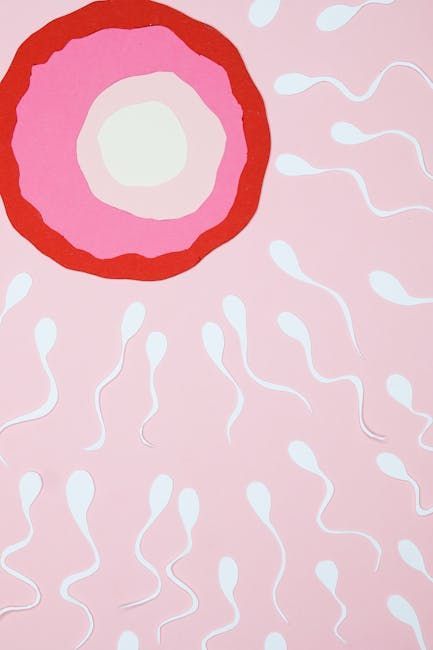
What is IVF and who is it for?
In-Vitro Fertilization (IVF) is the most widely used technique for assisted reproduction. It involves extracting eggs from a woman's ovaries and fertilizing them with sperm in a laboratory. IVF is recommended for women with blocked or damaged fallopian tubes, poor ovarian function, endometriosis, uterine fibroids, polycystic ovary syndrome (PCOS), or recurrent miscarriage — and for men with low sperm count, motility, or morphology.
The 9 steps of the IVF process
Initial ultrasound to assess the uterus, ovaries, and follicle count
- Birth control pills may be prescribed if ovarian cysts are found
- Stimulation cycle — blood tests and vaginal ultrasound from day 2 of the menstrual cycle
- Ovarian stimulation via daily injections for 7–10 days
- Egg maturation — a trigger shot is given once follicles reach the correct size
- Egg retrieval under mild anesthesia (approximately 30 minutes); discharge after 4 hours
- Fertilization using Intracytoplasmic Sperm Injection (ICSI); embryo quality assessed over 5 days
- Embryo transfer — 2 to 3 embryos transferred 3–5 days after retrieval; no anesthesia required
- Pregnancy test 14 days after embryo transfer
Post-treatment care
After the embryo transfer, patients should rest adequately, avoid heavy lifting and strenuous activity, refrain from swimming or contact sports, avoid smoking, alcohol, and hot baths or saunas, sleep 7–8 hours per night, and maintain a diet rich in iron, magnesium, potassium, calcium, and protein. Omega-3 supplements and folic acid are also recommended.
Possible complications
Premature birth or low fetal weight due to multiple pregnancies
- Possibility of miscarriage
- Ectopic pregnancy in 2–5% of cases
- Ovarian hyperstimulation syndrome (OHSS)
Get in touch
Contact us today
Every day, we face choices and decisions that significantly shape our interactions with one another and influence how our patients and broader communities perceive us. Our values instill confidence in our collective commitment to utilizing consistent principles as we navigate these decisions across our organization.
Contact Us
We will get back to you as soon as possible.
Please try again later.

We got it.
Thank you for contacting us.
We’ll get back to you as soon as possible.