



Overview
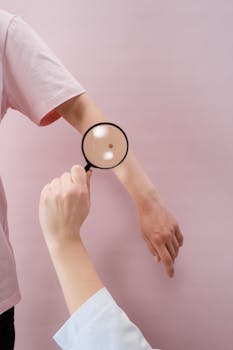
Vitiligo is a chronic condition in which the immune system destroys melanocytes, causing white or pale patches on the skin. Prevalence is higher in the Arab world and GCC (up to 2-3%). It is not contagious, not caused by poor hygiene, and not life-threatening, but can have a profound psychological and social impact.
Symptoms
- Flat white or milky patches with well-defined edges, may grow over time
- Premature whitening of hair, eyebrows, eyelashes, or beard
- Loss of colour in mouth, nose, or around body openings
- Most common on sun-exposed areas: face, neck, hands
Causes & Risk Factors
- Autoimmune destruction of melanocytes
- Family history of vitiligo; personal history of thyroid disease, type 1 diabetes, lupus
- Psychological stress, skin trauma, or sunburn (Koebner phenomenon)
Complications
- Severe sunburn risk — depigmented skin has no melanin protection, critical in Kuwait
- Depression, anxiety, reduced self-esteem — particularly significant in GCC culture
- Associated autoimmune conditions: thyroid disease
Diagnosis
Clinical exam with Wood's lamp. Blood tests: thyroid function, blood glucose, CBC. Skin biopsy rarely needed.
Treatment
- Topical corticosteroids (first-line); calcineurin inhibitors preferred for face
- Topical ruxolitinib cream (Opzelura) — newly approved, highly effective
- Narrowband UVB phototherapy — most effective for widespread vitiligo
- Oral ruxolitinib (JAK inhibitor); surgical melanocyte transplantation for stable vitiligo
Prevention
- Rigorous SPF 50+ sun protection — essential in Kuwait
- Manage stress; regular thyroid and blood sugar monitoring
- Seek early treatment to slow progression
Ready to take the next step? Book a consultation today
Get in touch
Contact us today
Every day, we face choices and decisions that significantly shape our interactions with one another and influence how our patients and broader communities perceive us. Our values instill confidence in our collective commitment to utilizing consistent principles as we navigate these decisions across our organization.
Contact Us
We will get back to you as soon as possible.
Please try again later.

We got it.
Thank you for contacting us.
We’ll get back to you as soon as possible.