



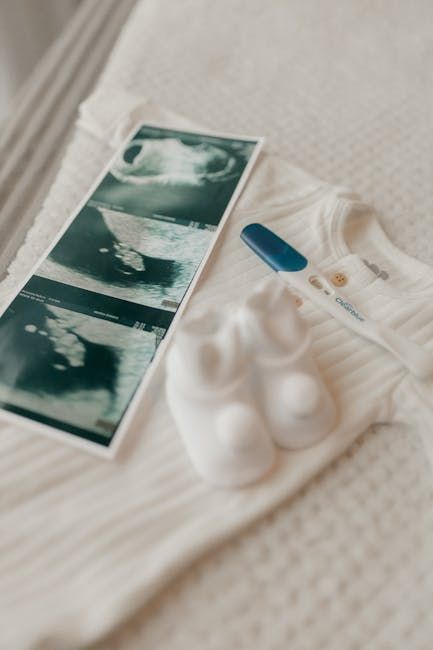
Overview
Embryo cryopreservation preserves embryos at ultra-low temperatures for future use. During IVF, multiple embryos are often created; those not transferred can be frozen and used in future cycles. This significantly improves cumulative success rates from a single egg collection.
Why Freeze Embryos?
- Surplus embryos from IVF — most common reason
- Freeze-all strategy — recommended when OHSS risk is high, uterine environment not optimal, or awaiting PGT results
- Fertility preservation before cancer treatment (with a partner)
- PGT — embryos biopsied and frozen while awaiting genetic results
Vitrification
The modern standard is vitrification — ultra-rapid freezing (>20,000°C/minute) that prevents ice crystal formation. Embryo survival after thaw: >95%. Blastocyst-stage freezing (day 5–6) is preferred for better selection.
Frozen Embryo Transfer (FET)
- Endometrial preparation with oestrogen then progesterone
- Ultrasound monitoring — lining must reach ≥7mm
- Embryo thawed on morning of transfer
- Quick transfer via thin catheter — no anaesthesia
- Pregnancy test 10–14 days later
Success Rates
FET success rates now equal or exceed fresh transfer rates, as the uterine environment is undisturbed by stimulation hormones. Success depends primarily on the woman's age when embryos were created and embryo quality.
Have surplus embryos or want to plan ahead? Book a consultation today
Get in touch
Contact us today
Every day, we face choices and decisions that significantly shape our interactions with one another and influence how our patients and broader communities perceive us. Our values instill confidence in our collective commitment to utilizing consistent principles as we navigate these decisions across our organization.
Contact Us
We will get back to you as soon as possible.
Please try again later.

We got it.
Thank you for contacting us.
We’ll get back to you as soon as possible.