



Overview
Skeletal malocclusion is a misalignment stemming from a discrepancy in the size or position of the jaws themselves — not just the teeth. It causes significant facial profile changes, functional problems with chewing and breathing, and may be associated with obstructive sleep apnoea. Severe cases require combined orthodontics and orthognathic (jaw) surgery, making early assessment in growing children particularly valuable.
Symptoms
- Prominent lower jaw or chin (Class III underbite)
- Receding lower jaw or weak chin profile (Class II overbite)
- Open bite: upper and lower teeth don't meet even with jaw closed
- Significant facial asymmetry
- Difficulty biting into food; chronic jaw pain and TMJ symptoms
- Mouth breathing, snoring, or speech difficulties
Causes & Risk Factors
- Genetics: jaw proportions are largely inherited
- Childhood habits: prolonged mouth breathing and thumb sucking during jaw development
- Cleft lip and palate affecting jaw growth
- Condylar hyperplasia: overgrowth of the jaw joint causing asymmetry
- Juvenile arthritis affecting jaw growth
Complications
- Severe chewing difficulties affecting nutrition
- Sleep-disordered breathing: jaw position may narrow the airway causing obstructive sleep apnoea
- Chronic TMJ pain from abnormal joint loading
- Significant impact on self-confidence from facial appearance
Diagnosis
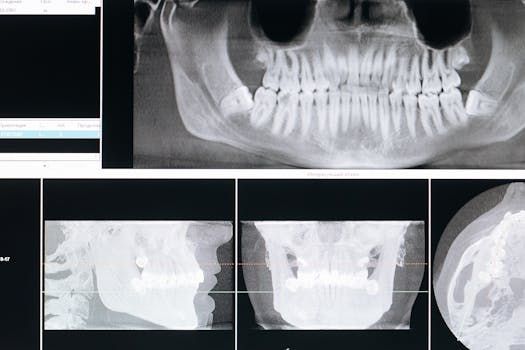
Lateral cephalometric X-ray measures jaw angles and relationships. CBCT 3D imaging for surgical planning and asymmetry assessment. Orthodontist and oral/maxillofacial surgeon plan combined treatment together.
Treatment
- Growing children: functional appliances (Herbst, Twin Block) modify jaw growth if started early
- Orthodontic treatment alone compensates for mild skeletal discrepancy
- Orthognathic surgery combined with orthodontics for moderate-to-severe skeletal discrepancy in adults
- Genioplasty: chin surgery to improve profile
- Mandibular advancement devices or surgery if airway is compromised
Prevention
- Early orthodontic assessment at age 7-8 for growth modification while jaws are developing
- Treat mouth breathing early — nasal obstruction contributes to abnormal jaw growth
- Discourage prolonged thumb sucking and dummy use
- A child showing signs of jaw imbalance should be referred to an orthodontist promptly
Ready to take the next step? Book a consultation today
Get in touch
Contact us today
Every day, we face choices and decisions that significantly shape our interactions with one another and influence how our patients and broader communities perceive us. Our values instill confidence in our collective commitment to utilizing consistent principles as we navigate these decisions across our organization.
Contact Us
We will get back to you as soon as possible.
Please try again later.

We got it.
Thank you for contacting us.
We’ll get back to you as soon as possible.